Curriculum
Mato Grosso do Sul
Mato Grosso do Sul: Discover the Charm of Brazil's Midwest
0/21
-
Welcome to Mato Grosso do Sul by Bruno Wendling
 Preview
 -
INTRODUCTION
Preview
-
Lesson 1 - General Information
Preview
-
Lesson 2 - What to Know Before Travelling
Preview
-
Lesson 3 - Useful Information
Preview
-
Lesson 4 - A Brief History
Preview
-
Lesson 5 - Geography
Preview
-
Lesson 6 - Demography
Preview
-
Lesson 7 - Economy
Preview
-
Lesson 8 - Campo Grande: The Capital of Mato Grosso do Sul
Preview
-
Lesson 9 - Types of Tourism in Mato Grosso do Sul
Preview
-
Lesson 10 - Pantanal I
Preview
-
Lesson 11 - Pantanal II
Preview
-
Lesson 12 - Bonito
Preview
-
Lesson 13 - Other Points of Interest in Mato Grosso do Sul
Preview
-
Lesson 14 - Culture
Preview
-
Lesson 15 - Gastronomy
Preview
-
Lesson 16 - Accommodation
Preview
-
Lesson 17 - Shopping
Preview
-
Lesson 18 - Nightlife in Mato Grosso do Sul
Preview
-
Course Completion Quiz


Lesson 14 – Culture
The culture of Mato Grosso do Sul encompasses a variety of influences and traditions. Like many other states in Brazil, it combines Indigenous, European, and Afro-Brazilian elements in its cultural expressions, creating a unique identity.
Music
The music of Mato Grosso do Sul is influenced by Indigenous traditions, folk music, and the heritage of colonial communities. The state is known for musical styles such as Chamamé and Gaita de Botão, which are popular at local festivals and celebrations. Chamamé is a musical style of Guarani origin that blends traditional music with typical dances from the region. The use of the Gaita de Botão is a distinctive feature of southern Mato Grosso’s music, producing a unique sound.
Additionally, Sertanejo and Música de Raiz are greatly appreciated, reflecting the influence of rural traditions and the lifestyle of those living in the countryside. Local artists often incorporate themes related to rural life and nature into their songs, creating a connection to regional culture.
Arts
The arts in Mato Grosso do Sul encompass a range of expressions, from Indigenous crafts to contemporary art. Indigenous craftsmanship is particularly notable, featuring products such as ceramics, baskets, and woodwork that reflect the rich cultural heritage of the Guarani, Kaiowá, and Terena peoples. The techniques and patterns used in these crafts are passed down from generation to generation, keeping cultural traditions alive.

Photo: @visitmsoficial
In contemporary art, the state has seen the growth of galleries and centres promoting the work of local artists, including painting, sculpture, and photography. These spaces often host exhibitions and events that highlight the creativity and innovation of southern Mato Grosso artists.
Architecture
The architecture of Mato Grosso do Sul is a fusion of styles, ranging from colonial architecture to modern constructions. In cities like Campo Grande, one can observe a mix of historic and modern buildings, reflecting the city’s growth and modernisation over the years. Indigenous influences can also be seen in design elements and architectural projects that aim to integrate nature and local culture.
Festivals and Typical Events
Mato Grosso do Sul celebrates a variety of festivals and events that showcase its local traditions and joys. Some of the most important events include:
● Bonito Winter Festival: An annual cultural and artistic event that brings together music, theatre, dance, and other cultural expressions, attracting both tourists and locals for celebrations and performances.

Photo: Marithê do Céu
● São João Festival: Celebrated in various cities throughout the state, this traditional festival is marked by folk dances, typical foods, and bonfires, reflecting the influence of the June festivals common across Brazil.
● Barretos Cowboy Festival: Although not exclusive to Mato Grosso do Sul, this cowboy festival is celebrated in several cities in the state, reflecting the importance of rodeo culture and sertanejo traditions.
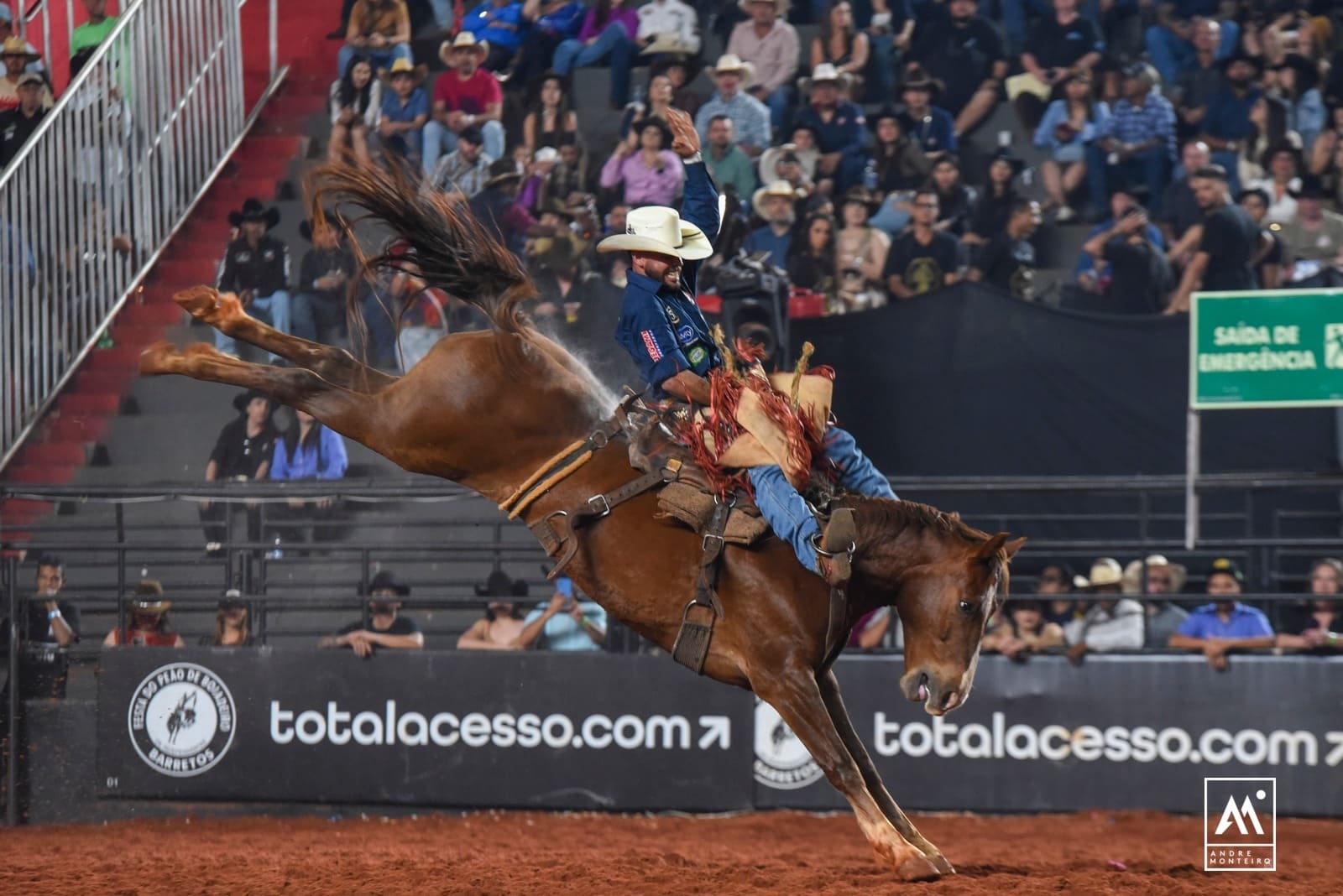 Photo: André Monteiro
● Music and Dance Festival: Held in Campo Grande and other cities, these festivals celebrate the musical diversity of the state and include performances of Chamamé, Sertanejo, and other regional traditions.
Influences
The culture of Mato Grosso do Sul is shaped by a blend of Indigenous, African, and European influences. The significant presence of Indigenous communities, such as the Guarani and Kaiowá, has brought a rich tradition of craftsmanship, dance, and music. European colonisation, primarily by Italians and Portuguese, has left its mark on the cuisine, architecture, and festive traditions. Furthermore, African influence is evident in some cultural practices and religious celebrations.
Mato Grosso do Sul is a kaleidoscope of influences and traditions manifested in its music, arts, architecture, and festive events. The cultural diversity of the state is an essential part of its identity, offering visitors a rich experience that reflects the heritage and vitality of its inhabitants.