Curriculum
Rio de Janeiro
Rio de Janeiro - Wonderful City
0/20
-
Welcome to Rio: Destination Overview
 Preview
 -
VISIT RIO - Boosting Tourism in Rio
Preview
-
A Bit of History
Preview
-
Useful Information I
Preview
-
Useful Information II
Preview
-
Mobility
Preview
-
Main Attractions I
Preview
-
Main Attractions II
Preview
-
Main Attractions III
Preview
-
Historic Centre
Preview
-
Beaches
Preview
-
Ecotourism and Water and Adventure Sports
Preview
-
Culture
Preview
-
Shopping
Preview
-
Gastronomy and Nightlife in Rio de Janeiro
Preview
-
Events
Preview
-
Where to Stay
Preview
-
Tourism in the Cities Near Rio de Janeiro
Preview
-
Resources and Official Websites for Planning Your Visit
-
Module Completion Quiz


Main Attractions III
Olympic Boulevard
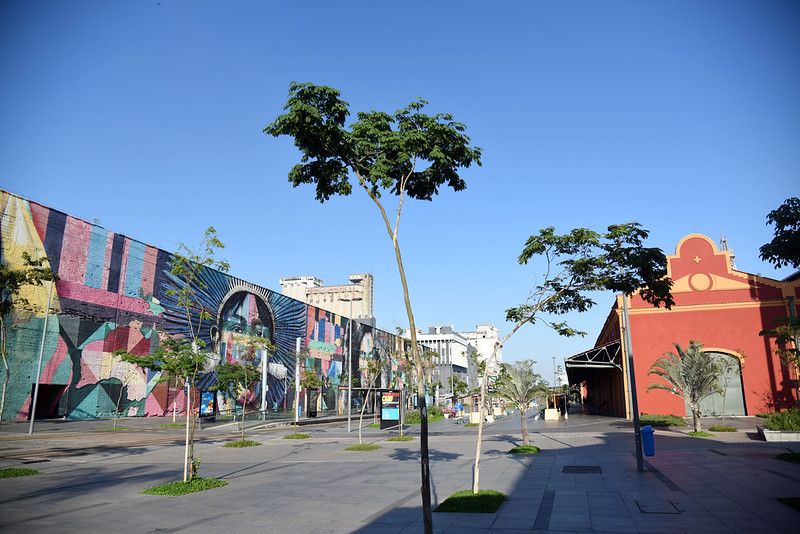
Photo: Riotur
The Olympic Boulevard is a revitalized public space in the Port Zone of Rio de Janeiro, created for the 2016 Olympic Games. It stretches 3.5 km from Praça Mauá to Praça dos Estivadores, passing through the famous Ethnias Mural, one of the largest graffiti artworks in the world created by artist Eduardo Kobra. The boulevard is a social hub offering various attractions, including concerts, fairs, and cultural events. Additionally, there are leisure and relaxation areas, food trucks, and a beautiful view of Guanabara Bay.
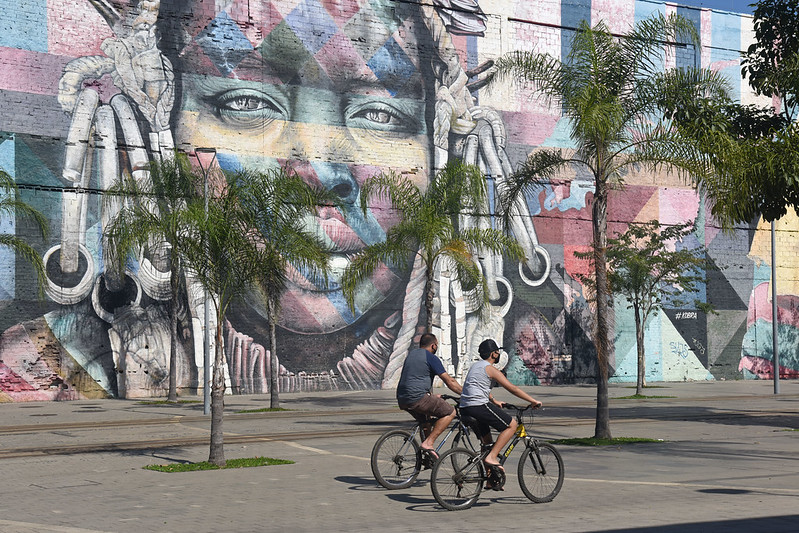
Ethnias Mural at Olympic Boulevard – Photo: Alexandre Macieira / Riotur
Museum of Tomorrow
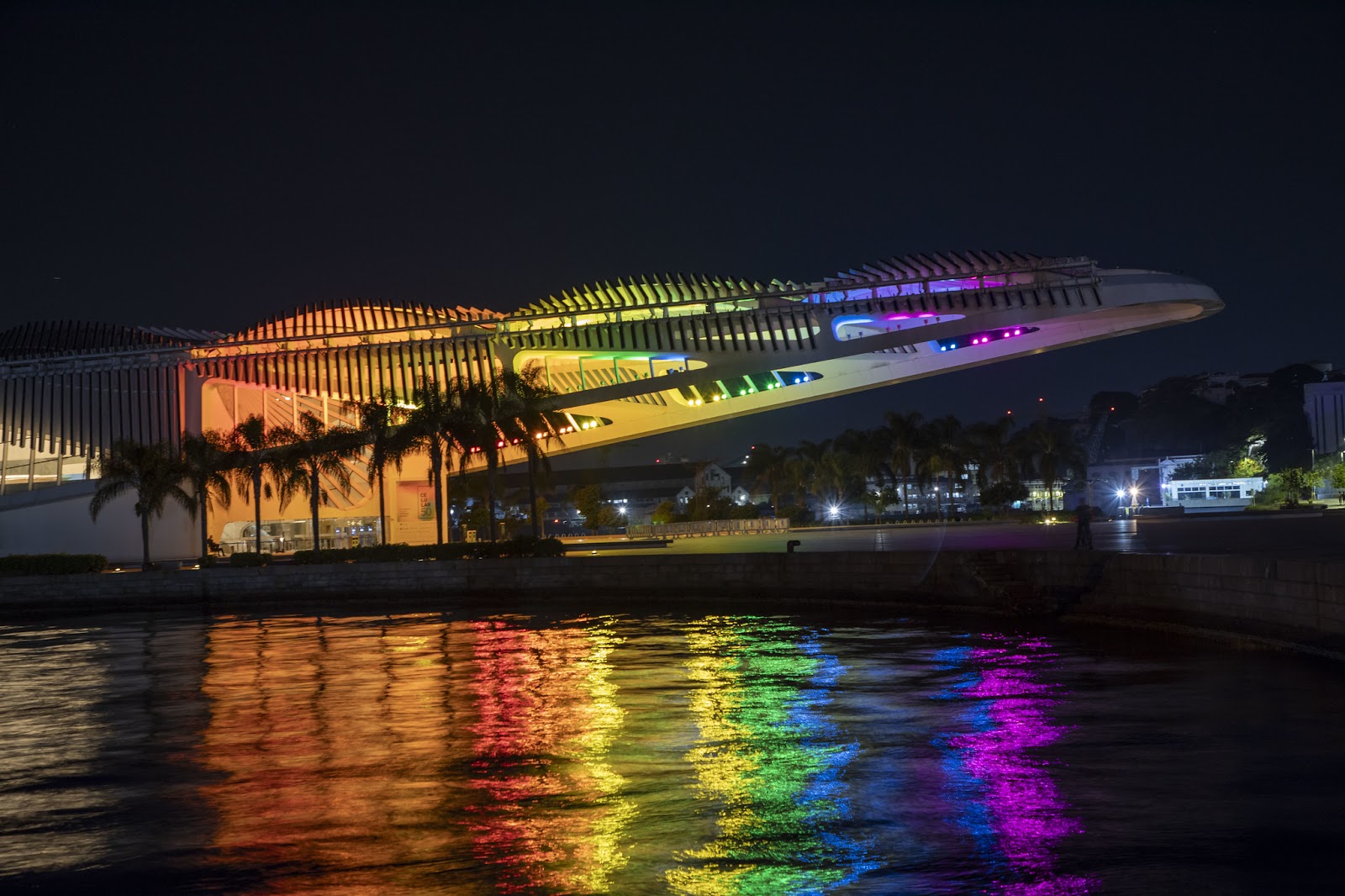
Museum of Tomorrow – Rio de Cores – Photo: Alexandre Macieira / Riotur
Opened in December 2015, the Museum of Tomorrow is a masterpiece of architecture and sustainability designed by Spanish architect Santiago Calatrava. Located in Praça Mauá, the museum focuses on science and the future of humanity, addressing topics such as climate change, biodiversity, technological advancement, and sustainability. Its exhibitions are interactive and use advanced technologies to engage visitors in contemplating the future of the planet. The museum is also renowned for its futuristic and sustainable structure, utilizing resources like solar energy and rainwater harvesting.
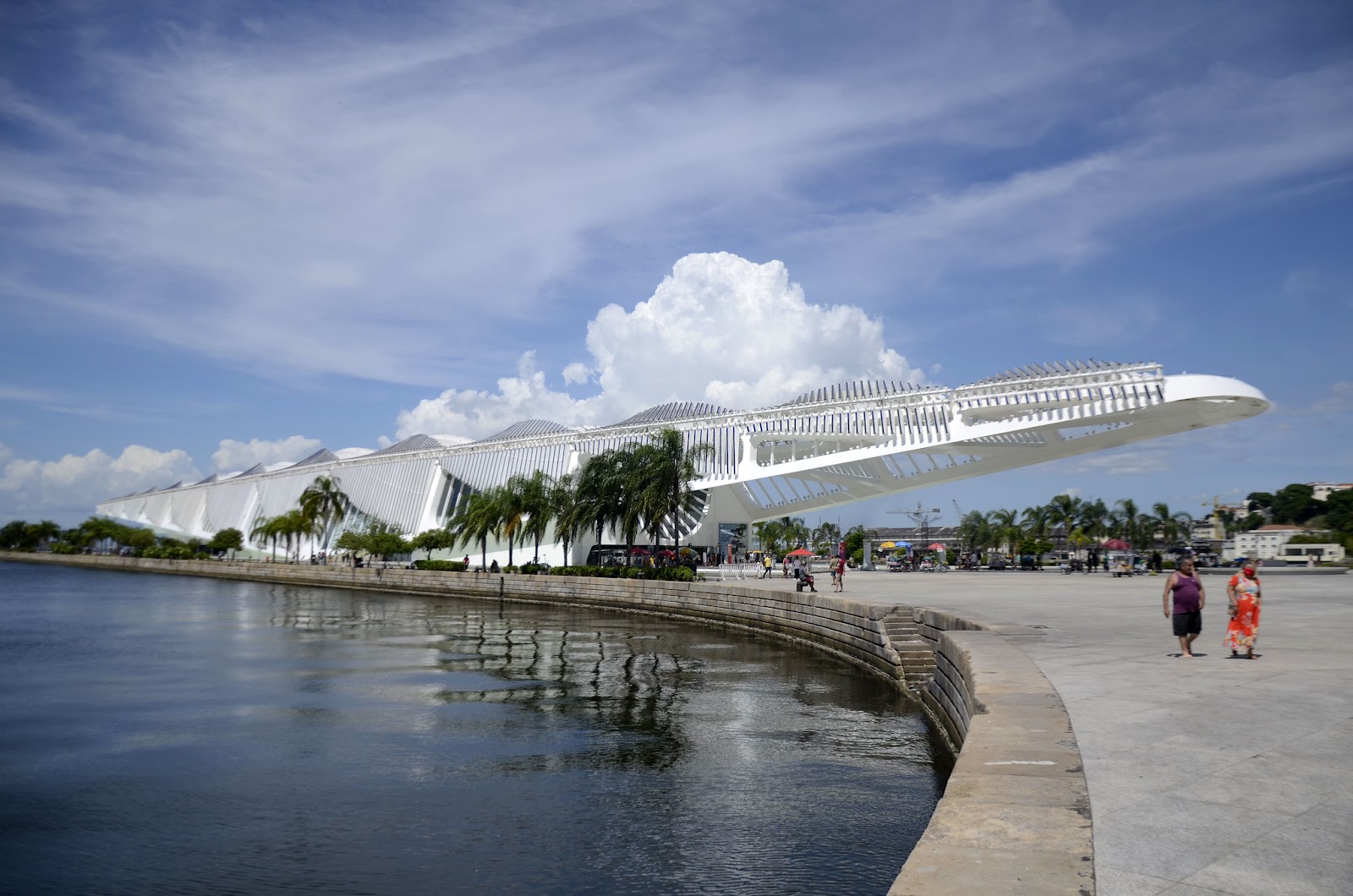
Museum of Tomorrow – Photo: Alexandre Macieira
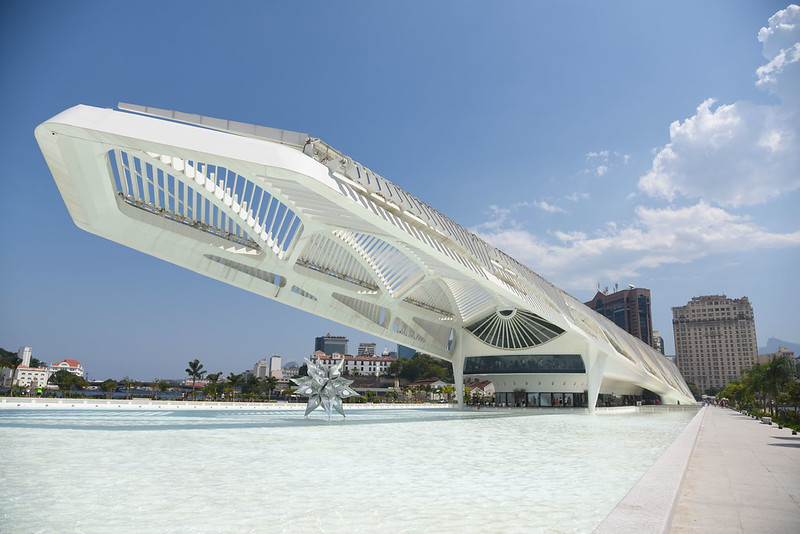
Museum of Tomorrow – Photo: Alexandre Macieira / Riotur
Rio Art Museum (MAR)
The Rio Art Museum (MAR) opened in 2013 and is one of the city’s premier museums. Situated in Praça Mauá, MAR occupies two interconnected buildings: the Dom João VI Palace and a modern building housing the School of Vision. The museum’s mission is to promote Rio de Janeiro’s art and culture, featuring exhibitions ranging from colonial to contemporary art. MAR is also dedicated to educational projects and social programs, offering workshops, courses, and guided tours. The rooftop of the modern building provides a spectacular panoramic view of Guanabara Bay and the Olympic Boulevard.
These three locations are part of the revitalization project of Rio de Janeiro’s port area, known as Porto Maravilha, which has transformed the region into a vibrant cultural and tourist center.
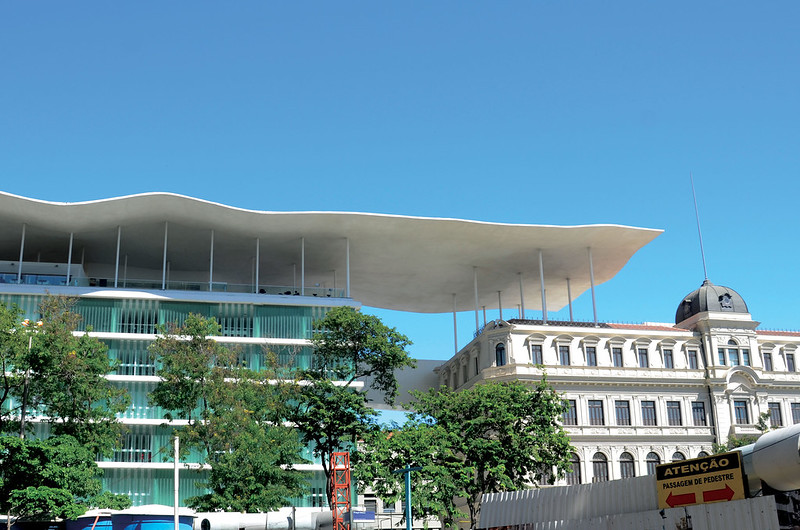
MAR – Rio Art Museum – Photo: Alexandre Macieira / Riotur
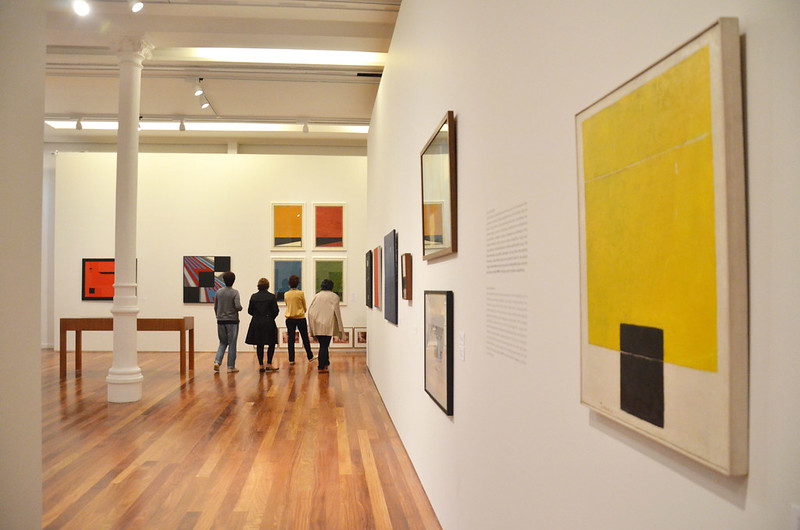
MAR – Rio Art Museum – Photo: Alexandre Macieira / Riotur